Showing posts with label organic. Show all posts

Thursday, 29 August 2013

How To Harvest And Preserve Herbs

How To Harvest And Preserve Herbs


Music by Clannad - Celtic Myst

Harvesting
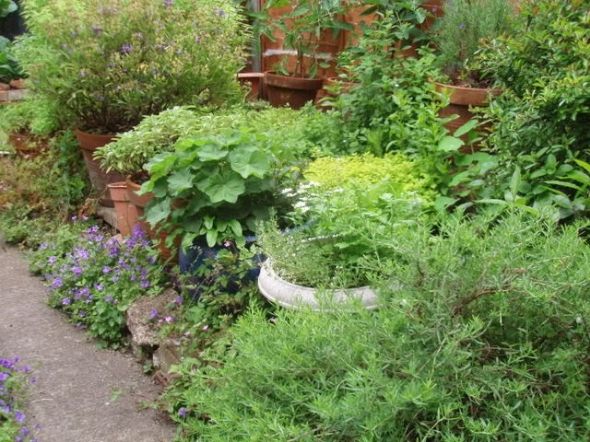

 photo 3c6f5b82-edba-4987-bce6-ef058b1fe498.jpg


It’s a good idea to preserve quantities of herbs so you have abundant supplies during the winter months for teas, remedies and cooking.

The ideal time to harvest herbs for medicinal use is just as they begin to flower. For culinary use, herbs may be gathered in the morning after the dew has evaporated, before the sun gets hot. The best time for yielding the highest levels of active constituents is in the early evening. The phases of the moon can have significant effects on the magical properties of herbs.
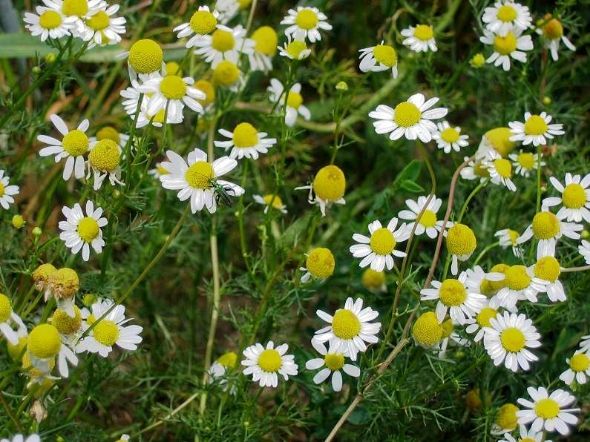

 photo 0285b419-d052-4d0c-aec2-9a58e1bae04b.jpg


Pick only the tops of the plants so they will continue to grow. If you gather herbs outside of your garden, pick herbs that have not been sprayed with chemicals -- avoid farmland and roadside verges. The best places are derelict land, commons, heaths, moors and woodlands. Only pick herbs that grow in abundance -- there are laws protecting threatened species.

It is important to put only one kind of herb in a basket when harvesting, so they don't get mixed up. Keep herbs separate and clearly labelled. It is best not to wash the herbs.


Three Easy Ways To Dry Herbs
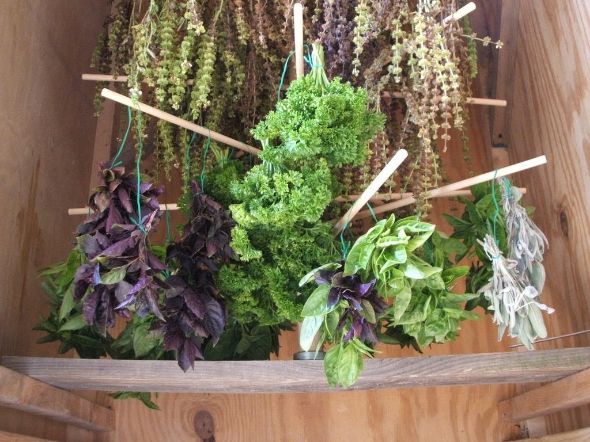

 photo 93902290-b3f4-4502-abd1-48adb4c0c7aa.jpg


1. Hang bundles of herbs tied with string upside down, away from sunlight. You may wish to cover them with paper or paper bags to prevent bits falling and protect them from dust.

2. Spread the herbs out on trays, in tiers in an airy room, away from sunlight. Cover the trays with fine muslin or paper to protect from dust.

3. My favourite method for drying small herbs or tops is to put bunches, or cropped herb tops, loosely into paper bags, or envelopes - from junk mail. Write the name of the herb on the bag, make a few small air holes around the top, and hang them on hooks in a dark, airy place for a few weeks. An airing cupboard is ideal; or hang the bags with paper clips from a string. This way the herbs are protected from light, dust, spiders and pets. This method takes up the least space, which is important if you dry a lot of herbs.


Airtight Jars
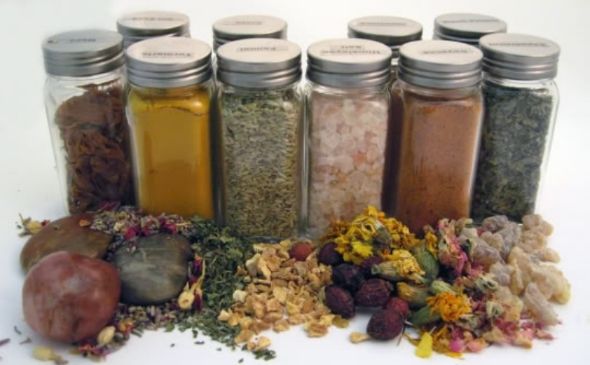

 photo 1b25859c-df4b-4d29-89a1-54b1585f8bc7.jpg


Whatever method you use, turn the herbs once or twice so they dry evenly. Let them dry naturally away from any direct heat or light. When they are dry enough to crumble in your hand, put them into airtight jars and label them. Keep the jars in a cool dark place, or use dark jars, or cover the jars with dark paper. Take care that the herbs are absolutely dry before putting them in jars or they will go mouldy.

Most cultivated and wild herbs can be dried and will preserve their essential oils and flavour well. I dry enough culinary herbs such as oregano, rosemary, sage, mint, bay, marjoram and thyme to last all winter. For herbal teas, lemon balm, blackcurrant, raspberry and strawberry leaves and flowers such as marigolds and chamomile can be dried too. I also dry wild herbs such as dandelions, coltsfoot, nettles and goose grass (cleavers), which I put in teas, infusions, soups and curries.


Freezing Herbs
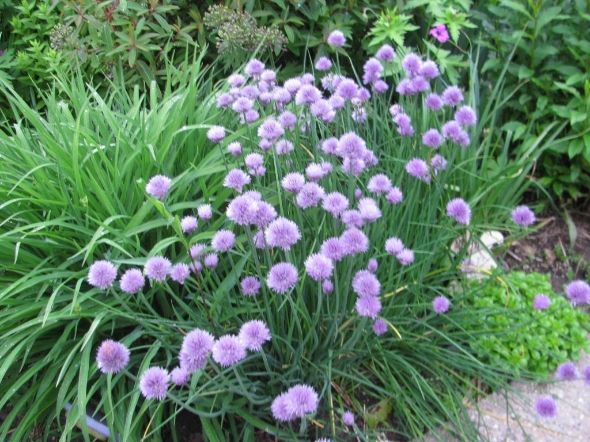

 photo b14b8886-ae1d-49db-930a-a912cb5dfa66.jpg


Some herbs don’t keep their flavour so well when dried such as basil, and fines herbes: parsley, tarragon, fennel, dill, chervil and chives. These are best put into the freezer or ice compartment of the fridge for culinary uses.
Frozen basil is wonderful to flavour your spaghetti sauce in the winter. Any herbs that need to be washed are best frozen rather than dried.

Herbs for freezing should be picked off the stems and put in plastic bags. Or if you prefer, you can chop herbs like parsley and dill and put them in little foil packages ready for cooking, or mix them with water and freeze them in ice cube containers. I like to make lots of pesto, which freezes well (without cheese). Besides basil, I often include other herbs such as marjoram, oregano, sage, rosemary, thyme, parsley, rocket or even some spinach in pesto -- whatever is available at the time. Try making pesto with chives and parsley instead of basil - it goes well with baked potatoes and vegetables. You can use pesto with potatoes, rice, soups and pasta.


Seeds
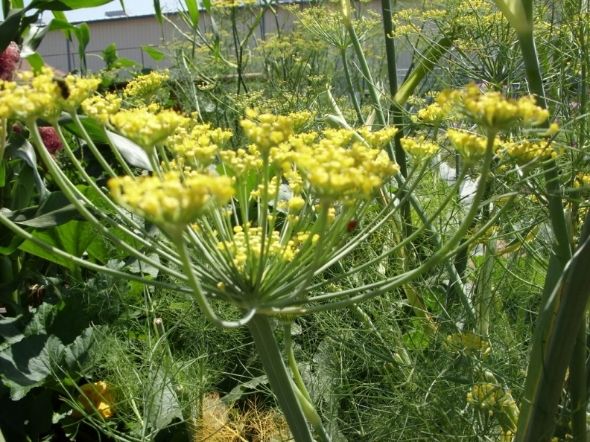

 photo d4ac4c79-207d-4e13-83ca-b58f31ef6d66.jpg


Once herbs go to seed, the flavour goes to the seeds, so it’s best to keep the sun-dried seeds, such as dill, coriander or fennel seeds, for flavour and nutrition. Keep the seeds covered in a dry place for two weeks before putting into jars.

© 2011 Martha Magenta

Images from top to bottom:

1. Martha Magenta's kitchen herb garden; 2. Chamomile;

3. Fresh herbs drying; 4. Jars of herbs & spices; 5.Chives;


Wednesday, 28 August 2013

How To Grow An Organic Herb Garden

How to grow an organic herb garden


Music: A Path To Solitude by Dan Gibson


Photobucket


There are few activities more rewarding than growing an herb garden. There are countless things that you can do with fresh, frozen and dried herbs, including culinary and medicinal uses, and many arts and crafts. You can even make your own health and beauty products. And if you like herbs you will find they are very willing to grow for you. I love my herb garden. I can go out there every day and get something fresh and organic to eat, drink or to use in cooking and salads. I store up abundant harvests of dried and frozen herbs to last all winter. All the while the beauty and aromatic smells of wonderful herbs surround me.

Formal herb garden

Photobucket


There are two basic types of herb garden -- formal and informal. To grow a classic formal herb garden requires a good deal of open space and hard work. It is an attractive way to put a large patch of unused ground to good use. Formal herb gardens are symmetrical and divided into sections by neatly clipped box hedging in a designed pattern. If you want a formal herb garden, you need to plan carefully before you start. Read a book on how to plan and create a formal herb garden.

The Royal Horticultural Society 'Encyclopedia of Herbs & Their Uses' gives well-illustrated formal herb garden designs.

Informal herb garden

Photobucket


My style of herb gardening is of the informal kind. I like to work with nature rather than impose a pre-ordained plan. That way I don't miss out on the abundance of natures gifts -- the wild herbs that grow so easily. Besides, herbs have a way of growing where they want to and not always where you want them.

When I moved into a city cottage, I found the garden hard, stony and small. One day, when I was struggling to dig through the hardcore, a neighbour called out: "You'll never get anything to grow there!" How wrong he was! Herbs will readily grow where many other plants won't. My garden today is stuffed full of the foliage and flowers of herbs!


Photobucket

Include some fruit, vegetables and flowers that you like.

Photobucket

Blackcurrant Ribes nigrum

It is a good idea to have some easy-to-grow food supplies. My herb garden is enhanced in summer by colourful runner beans growing up the wall, and yellow trumpets of courgette flowers reaching for the morning sun. I also have tomatoes, rhubarb, spinach, pak choi, cress, cabbages, and a blackcurrant bush that gives me lots of nutritious fruit and delicious leaves for herbal teas.


Photobucket

Marigold Calendula officinalis

It's your herb garden so put what you like in it. Add some colourful flowers to attract bees. Pot marigolds (the calendula variety) truly belong in an herb garden. Use attractive shrubs and roses for a backdrop or hedge. If you have a rock garden you can grow assorted thymes amongst alpines.

Wild Herbs

Photobucket

Dandelion Taraxacum officinale

You will probably find valuable herbs growing naturally in your garden, such as dandelions, nettles, herb Robert, cleavers, chickweed and plantain. Instead of seeing them as weeds and digging them out, reserve space for them to grow. Dandelions have many uses: they can be used as greens, in salads, oils and vinegars, and the flowers make a nice addition to herbal tea; herb Robert is decorative and also useful in teas, so cut and dry it; gather in the cleavers too and dry them so they don't choke your herbs; chickweed is best cut regularly while tender and used in salads or as greens.


Photobucket

Nettle Urtica dioica

Allow nettles to grow, using just the tops, then cut them right down before they go to seed and dry them. This way you will have a supply of nettles each year and they will grow again in spring. These wild plants are all excellent food sources and remedies.

Growing herbs in containers and pots

Photobucket


Many herbs grow happily in large terracotta pots. This is a good idea if you have a small space, patio or courtyard. Some herbs prefer this protection from the elements and garden predators. Pots look attractive in brackets on a wall. You can use an old porcelain sink (stand it on bricks near the door), teapots, bathtubs, barrels, troughs and wheelbarrows. I have even seen a colourful herb garden grown in an old convertible car!


Photobucket

Nasturtium Tropaeolum majus

You can create more space with terraced raised beds. Climbing and trailing plants such as nasturtiums, sweetbriar rose, honeysuckle and hops look attractive climbing up trellises, walls, pillars and frames. From these you can hang baskets with herbs such as marjoram, thyme, and pennyroyal trailing over the sides. Make sure the plants are regularly watered so they don't dry out.


Photobucket

Bay Tree Laurus nobilis

I started my herb garden with a few of my favourite herbs in small pots that I bought from the garden centre -- oregano, sage, a bay tree, and two rosemary bushes. As they grew I potted them on. Now the rosemary bushes form part of the hedge, providing continual fresh herb and an abundant supply of dried rosemary for the winter. I have propagated the bay tree from cuttings, so now I have three. I divided the oregano so it grows in a pot and in the ground so it can spread. Along the hedge with the rosemary grow lavender, marjoram, lemon balm, hawthorn and blackcurrants.


Photobucket

Lemon verbena Aloysia triphylla

In the next row I have pots containing chives, winter savoury, sage, bay, marigolds, and lemon verbena. In front of those, on the ground I have thyme, peppermint, spearmint, chamomile, rocket, bergamot mint, prunella, and strawberries. The woody plants such as rosemary, lemon verbena, bay and sage continue to grow year after year. The mints, chamomile, self-heal, thyme, lemon balm and oregano are perennials and grow every year. Some herbs such as basil, dill, parsley and chervil need to be re-sown from seed each year.


Chamomile, Roman (Anthemis nobilis)

Roman Chamomile Anthemis nobilis

Growing herbs from Seed

Many herbs are easy to grow from seed, such as marjoram, oregano, thyme, dill, parsley, basil and rocket. Start the seeds in spring in small pots of clean,organic compost in a sunny windowsill. Keep them well watered and protected from the cold. As they grow pot them on into bigger pots.


Oregano (Origanum vulgare)

Oregano Oreganum vulgare

After the frosts, plant the marjoram, oregano, thyme and rocket outside. First soak the plants so they slide out of the pots easily. Dig holes deep enough to fully cover the roots, add a little compost, and firm the soil gently around the roots. Water well in. You might want to plant herbs in outdoor pots to protect them from slugs and snails.

Garden Compost

compost


Save all your cuttings, weeds, household waste, peelings and vacuum cleaner contents and put them in a compost bin or heap. It is essential to recycle this goodness so that your plants and the soil they grow in get fed as well as watered. My garden is organic, so I never use any artificial chemical fertilisers, weed killers or chemical insecticides.


Photobucket

Wood Pigeon

While I work, or sit and enjoy my herb garden, I feel that I am receiving a wonderful healing as I listen to the beautiful song of the resident blackbird. There are a variety of different birds in the trees including great tits and a pair of nesting wood pigeons. From time to time squirrels come to visit. They scream and thrash their tails at the cats, and fly off again, leaping from branch to branch. This makes living in the city bearable. The trees give me a sense of permanence, while the concrete jungle of the city is transient.

No garden at all?

If you live in an apartment and have no garden at all, you can successfully grow most herbs on windowsills, balconies, window boxes or even the garage roof.


Photobucket

Growing herbs indoors

I have found that some herbs such as parsley, basil and chervil sometimes don't do so well outside due to slugs and insects. If this happens I keep the plants indoors in the window. This gives me a continual supply for cooking and salads. The basil does so well that I can freeze it and use it in soups and pesto during the winter.


Photobucket


Stand the pots on a windowsill, or a table next to the window, on trays or saucers of gravel for drainage. Make sure the plants get enough light and air. Feed them with plant food, mulch or compost from time to time. Before watering the herbs, allow the water to warm to room temperature. On hot days stand the plants back, so the heat of the sun does not burn them. Turn the pots around a little each day so the herbs grow evenly. The herbs can be used as they are growing by picking the tops of the plants. This makes them bush out and grow thicker and stronger.

Happy gardening!

© Martha Magenta

* 'Encylopedia of Herbs', The Royal Horticultural Society, Deni Bown, 1995, ISBN 0-7513-020-31, Dorling Kindersley, London.