Showing posts with label heirloom seeds. Show all posts

Thursday, 7 August 2014

Growing Squash on a Garden Arch

 photo abf7265e-8a61-4e21-b6ce-d33ea119ae39.jpg


I chose two varieties of winter squash that are easy to grow, early fruiting, with good flavour: Anna Swartz Hubbard - long keeping, and Burgess Buttercup - best flavoured. Both are heirloom seeds, i.e. non-genetically modified, and available online from heirloom seed sellers. The fruits will produce viable seeds to sow the following year.

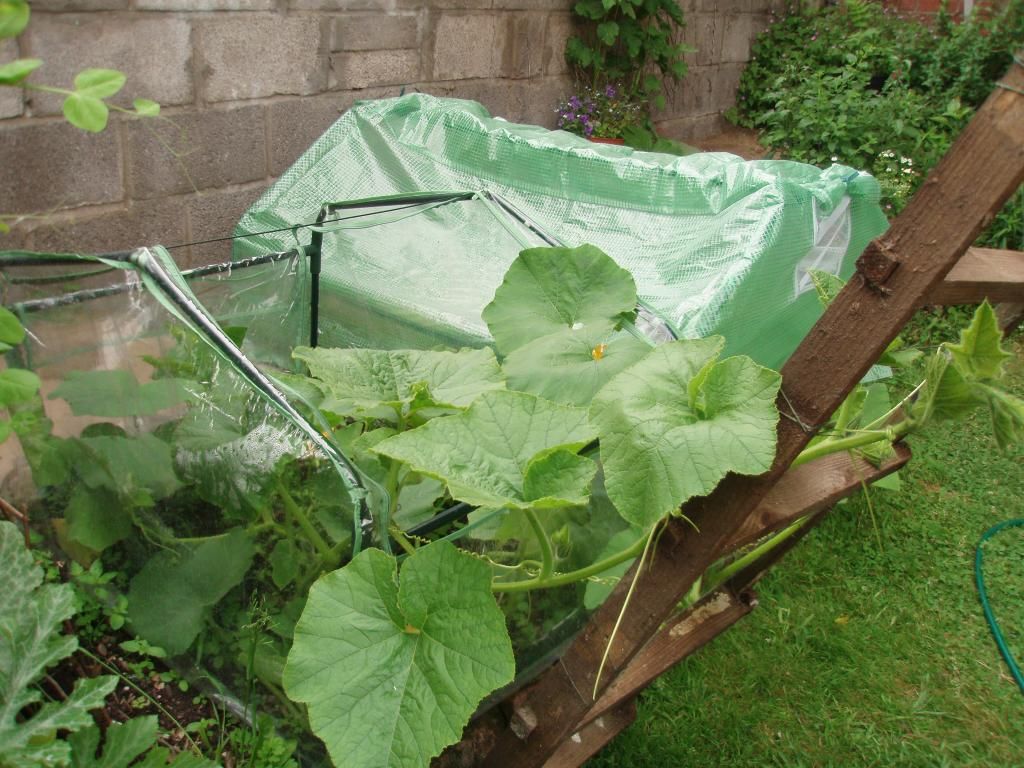
I started the seeds in small pots in my sunny bay window in May, moving them to larger pots. I transfered them to this small greenhouse in June:
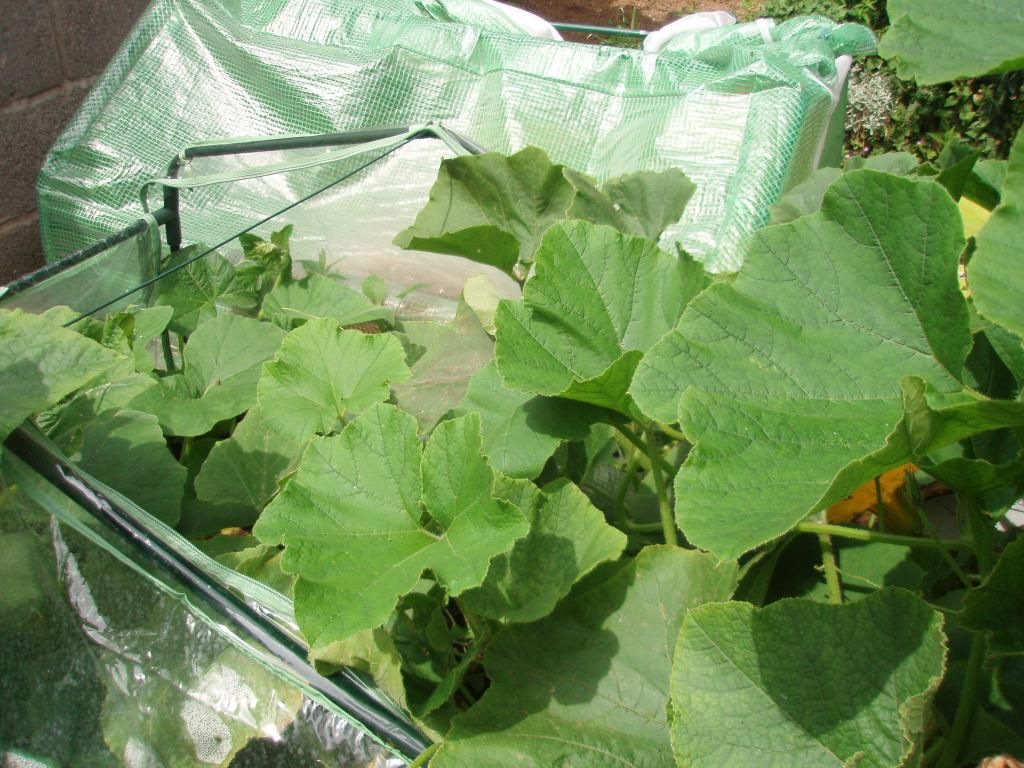
 photo July14007.jpg


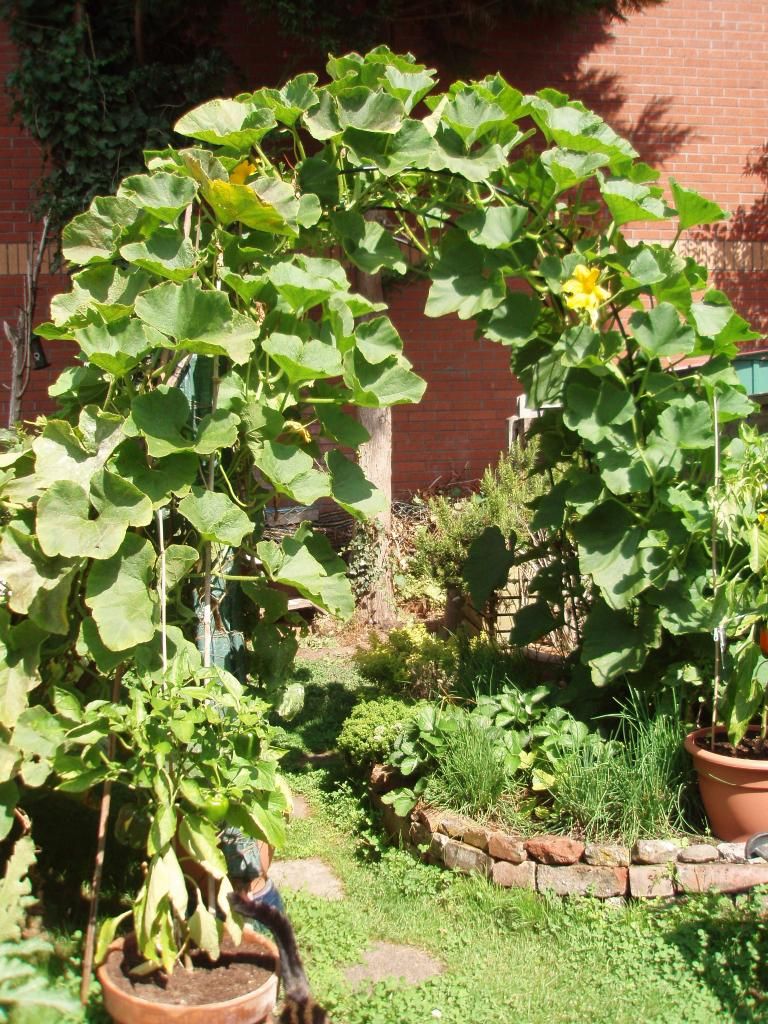
By July they had grown so vigorously they began to obstruct the path so I put up an arch to support them. It cost only £6 online, and has done a good job:
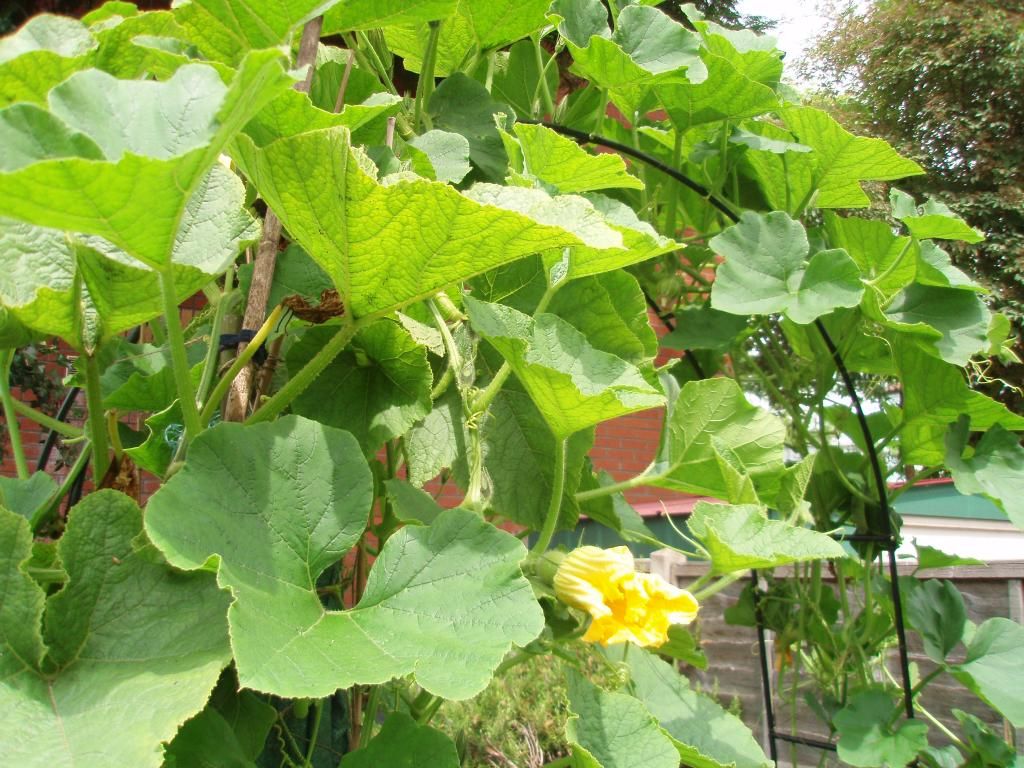
 photo July14008.jpg


It is helpful to weave jute string across the spaces:
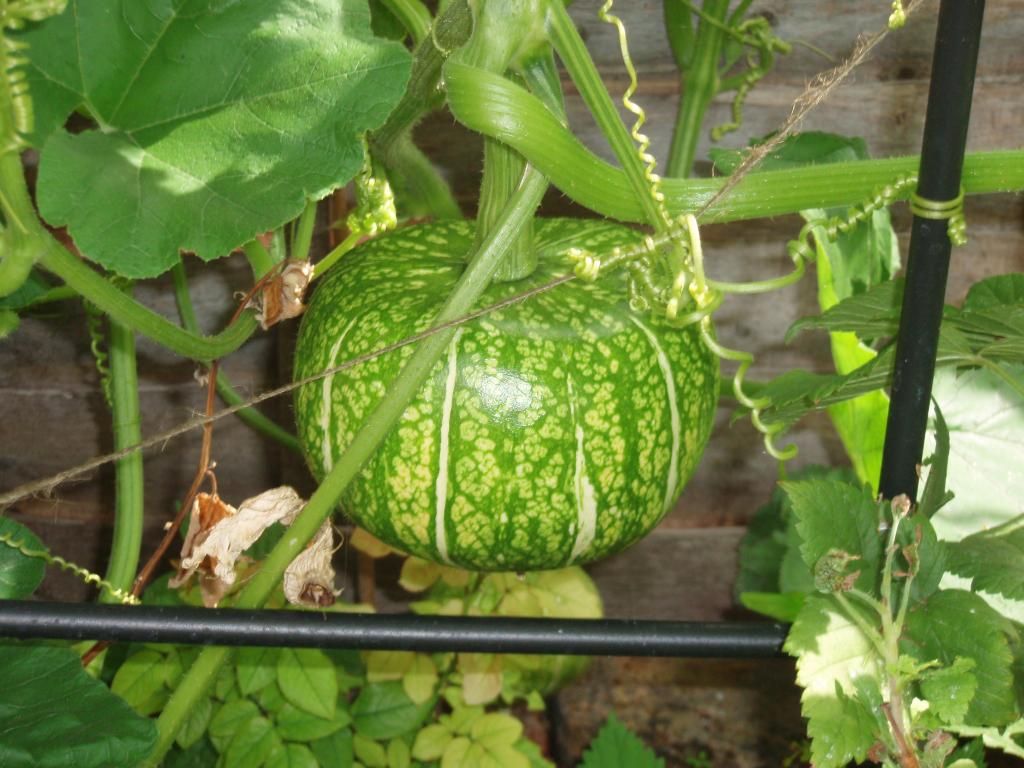
 photo July14038.jpg


My squash arch is a major attraction for local bees. In this flower, there are four bees all feasting together:
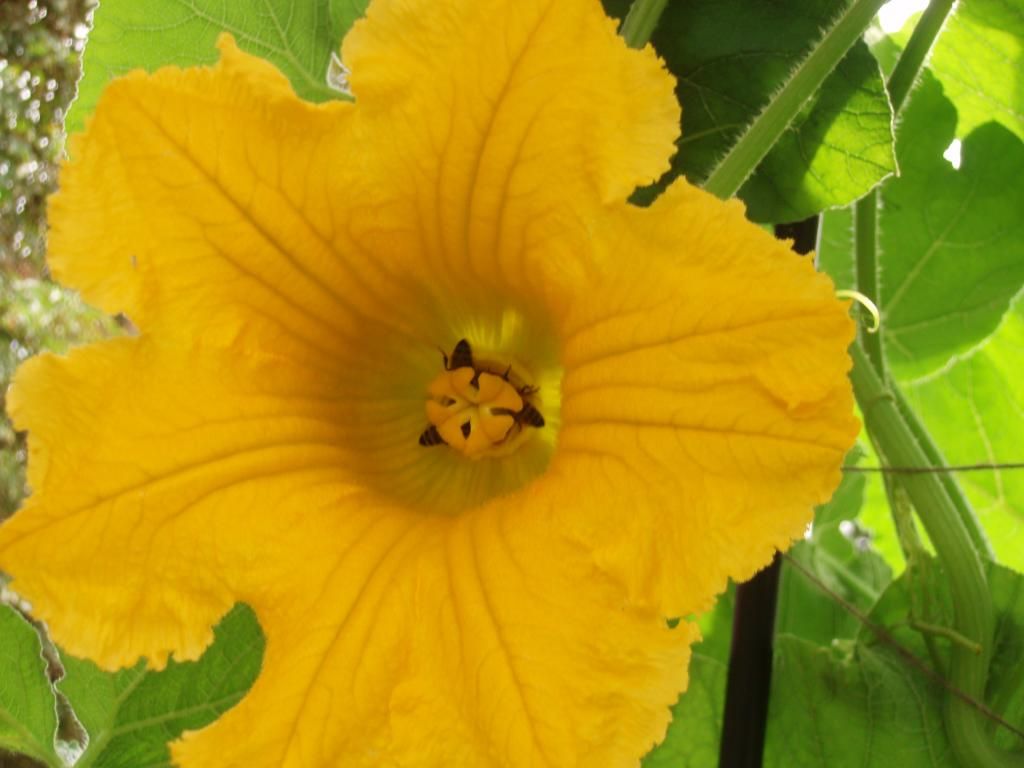
 photo July14035.jpg


This method is ideal for small garden spaces, including balconies and patios. Where containers are used, make sure the containers are large. You can grow squash around windows, fences, or trailing along balcony railings. There are smaller varieties of winter squash more suitable for balconies, such as Rolet or Munchkin. You are not limited to winter squash. Try summer squash, or runner beans. Other space saving ideas include wigwams, trellises, netting, or spirals.

When harvesting winter squash, leave a two inch length of stem, where possible, as this lengthens the keeping time. I am pleased with the first fruits : )
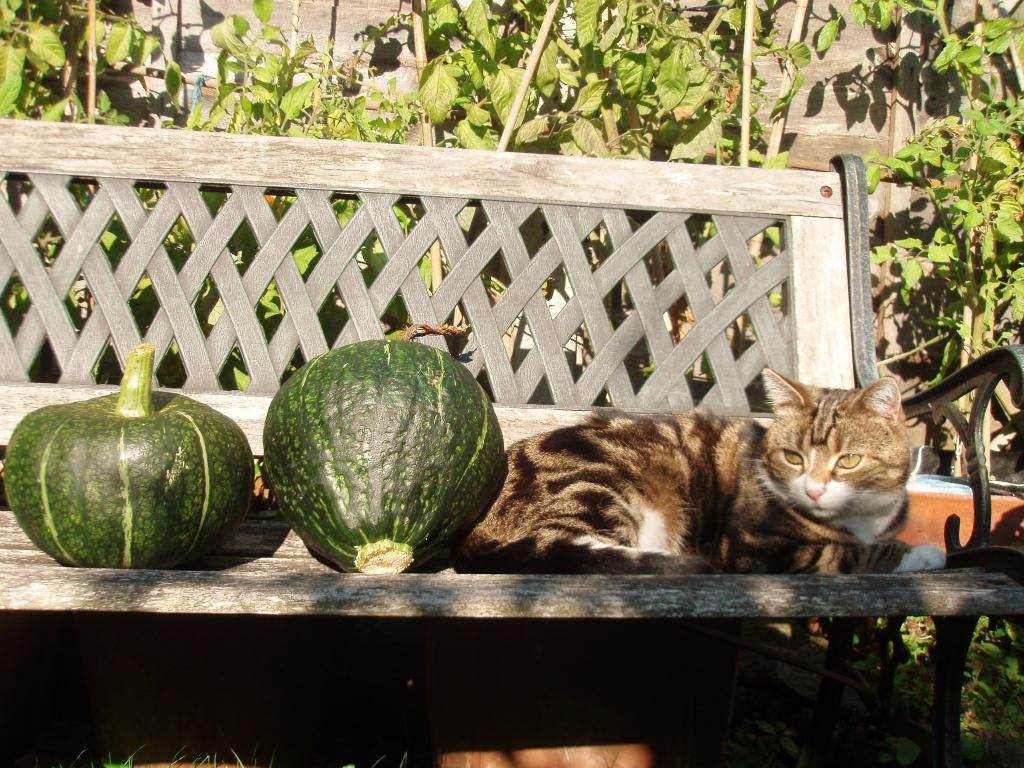
 photo july3014.jpg


Saturday, 19 July 2014

My Organic Garden in June

My Garden in June

I love to grow herbs and vegetables in my garden. I encourage others to do the same - it is healthy, and also it helps to break away from big agri-business. Increasingly, giant companies like Monsanto and Syngenta control us via food. As a consequence, the bees are dying, and we are becoming fat and unhealthy through a dependency on mass produced fake food.

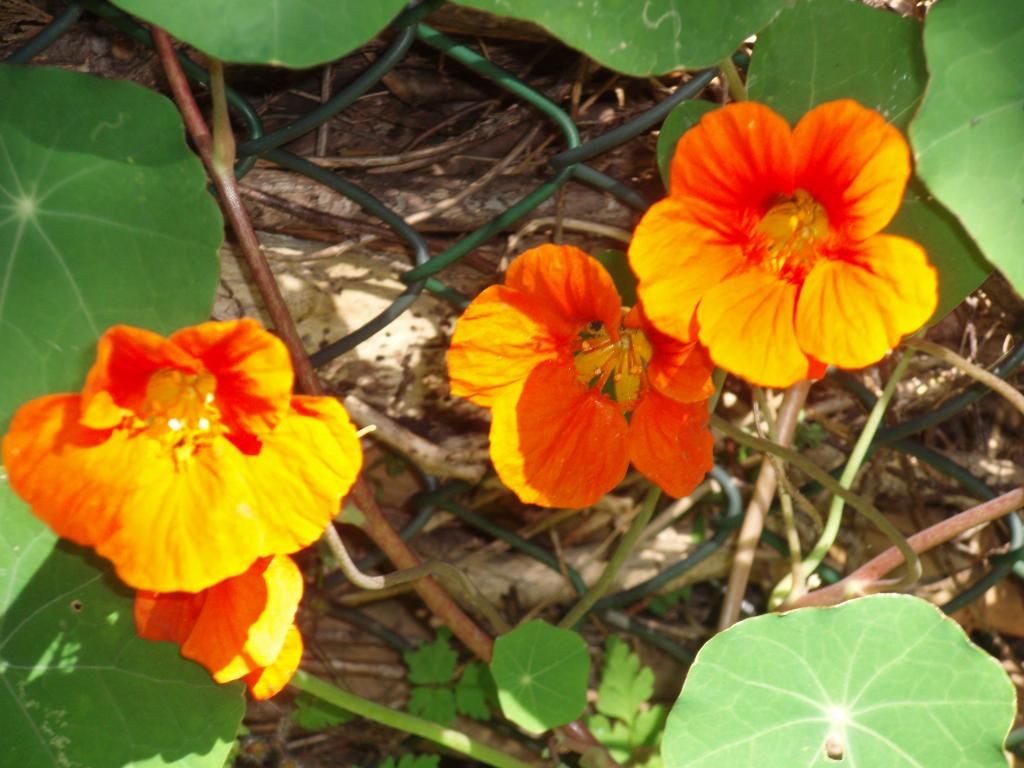
Nasturtium photo Nasturtiumsclose.jpg

Nasturtium.

Feed the bees with flowers.


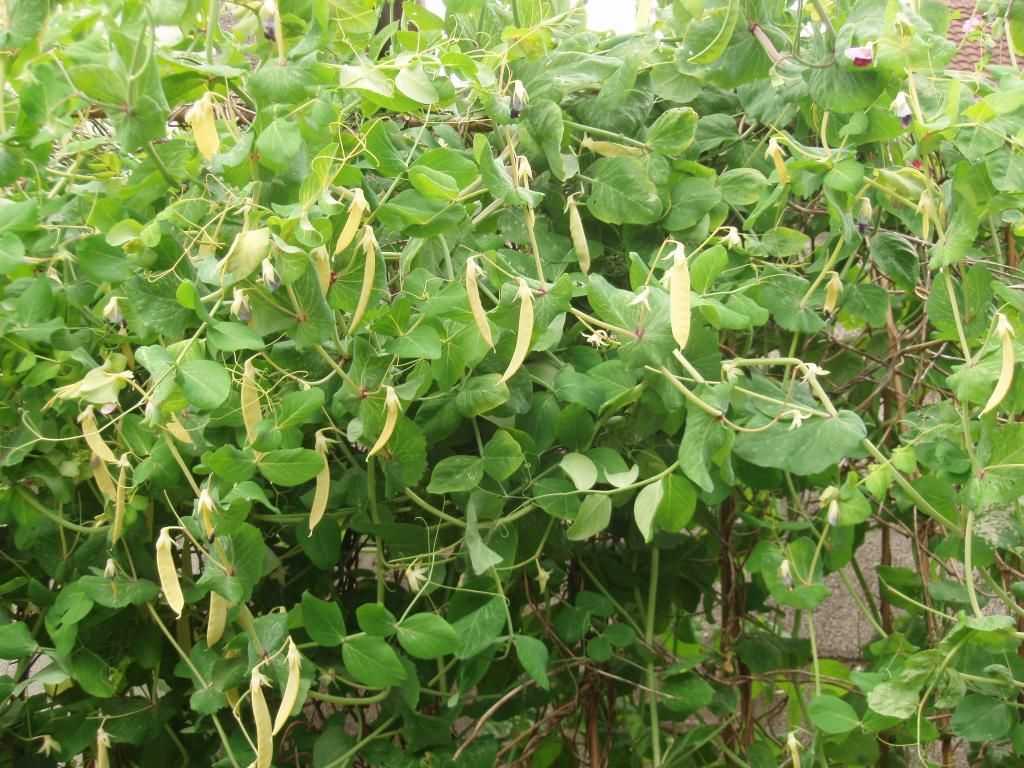
Nowadays I only buy heirloom seeds, that is, natural seeds that are not genetically modified, or FI hybrids. Heirloom seeds produce fertile seeds that you can keep to plant the following year, like these mangetout peas:

Mangetout photo Mangetout.jpg

Mangetout


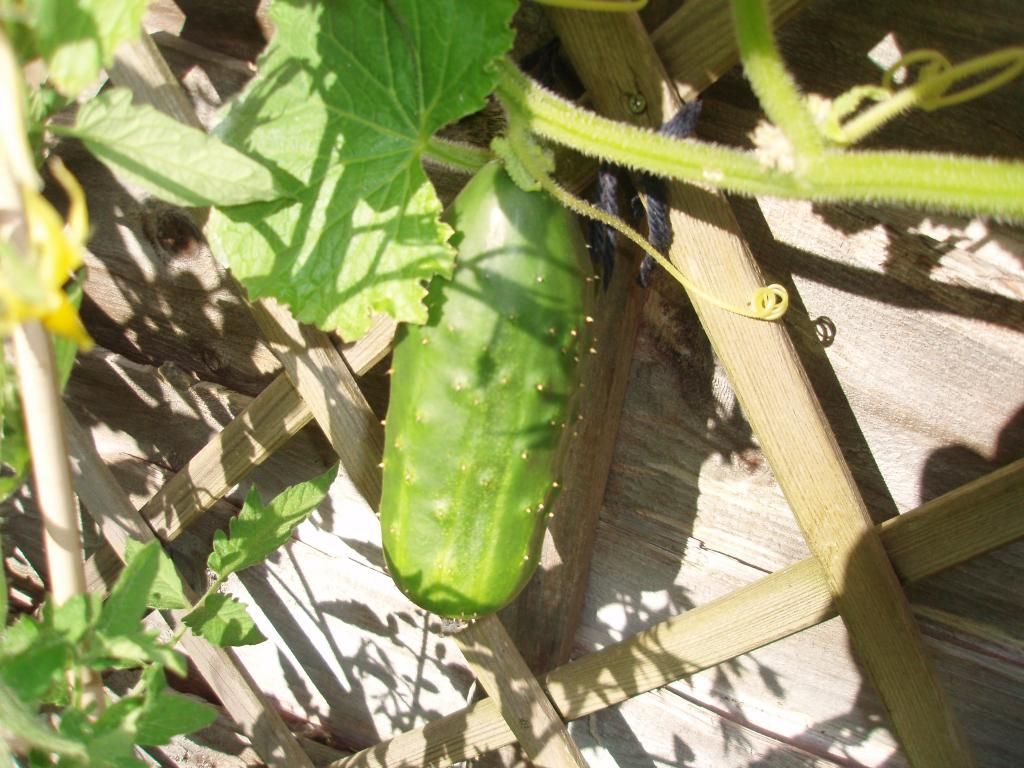
Cucumber photo Cucumber.jpg

Cucumber


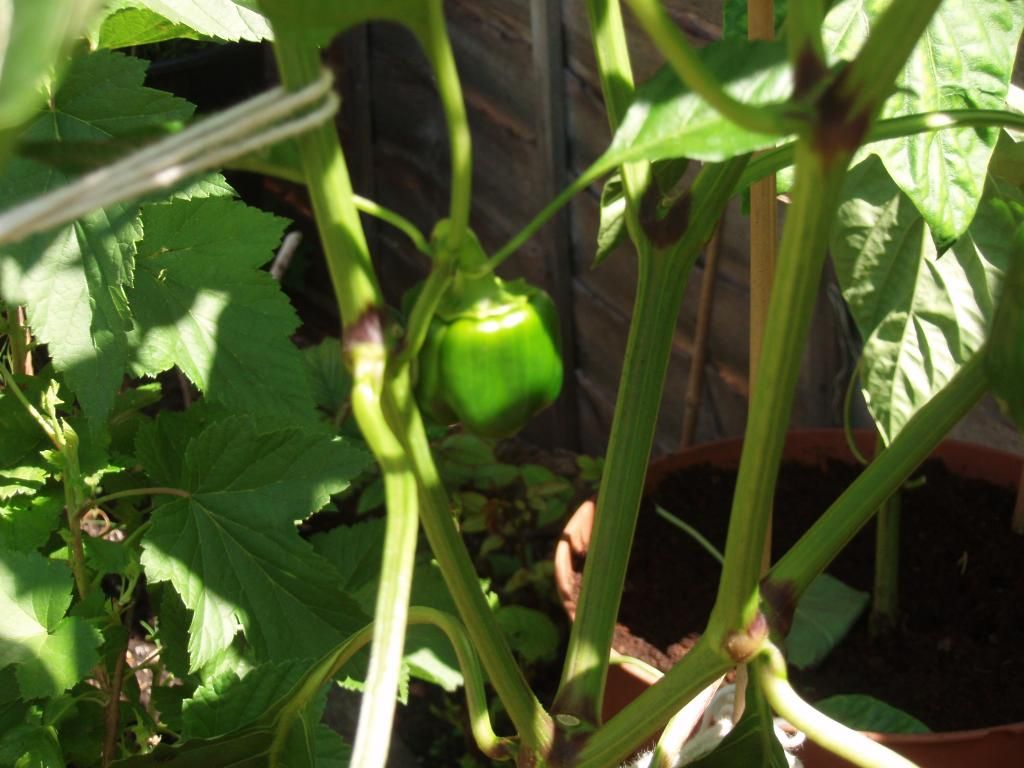
Pepper photo Peppers.jpg

Sweet Pepper


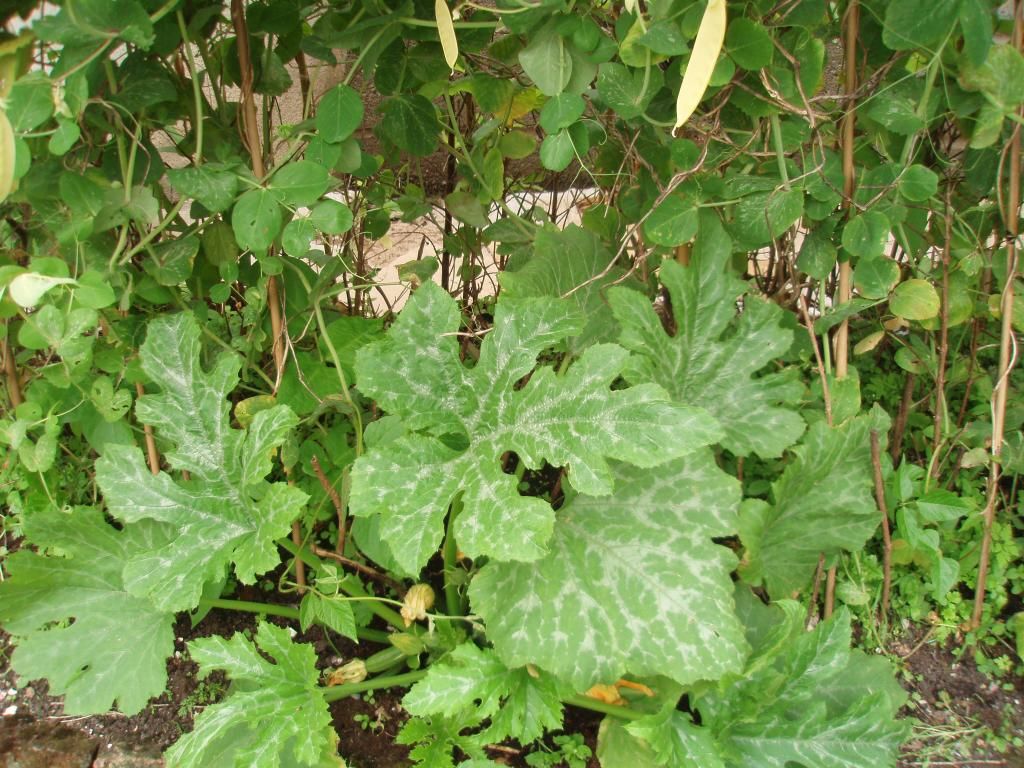
Courgette photo Courgette.jpg

Courgette (zucchini)


Butternut squash photo Butternutsquash.jpg

Butternut squash


Winter squash photo Wintersquash.jpg

Winter squash


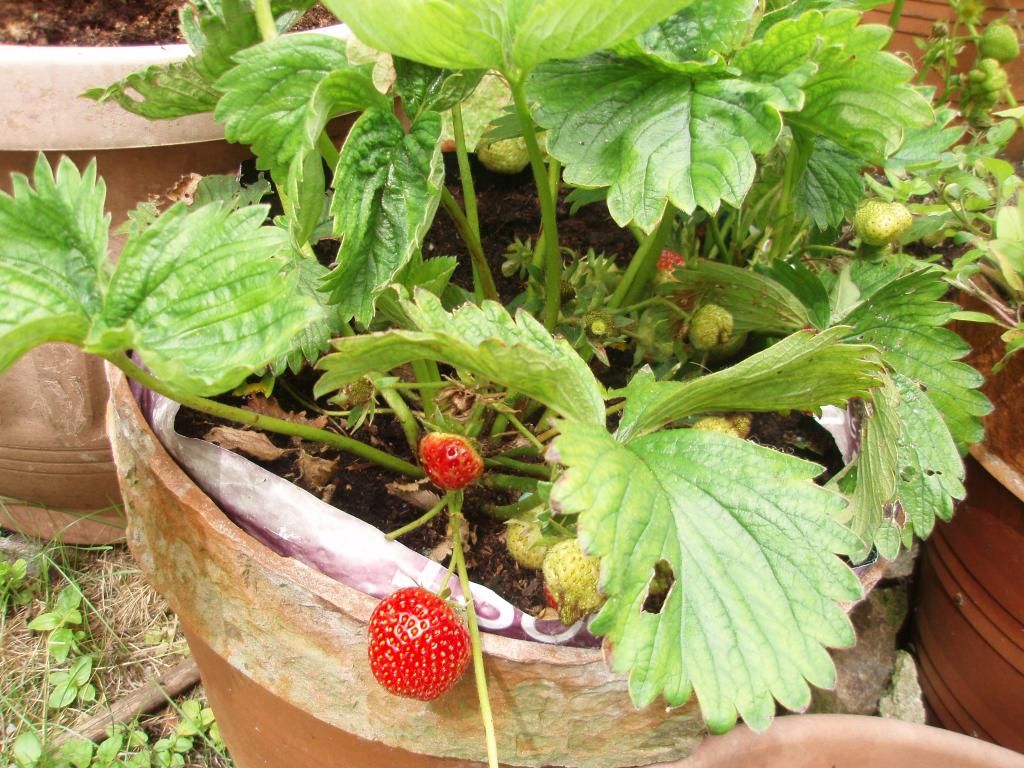
Strawberries photo Strawberries.jpg

Strawberries


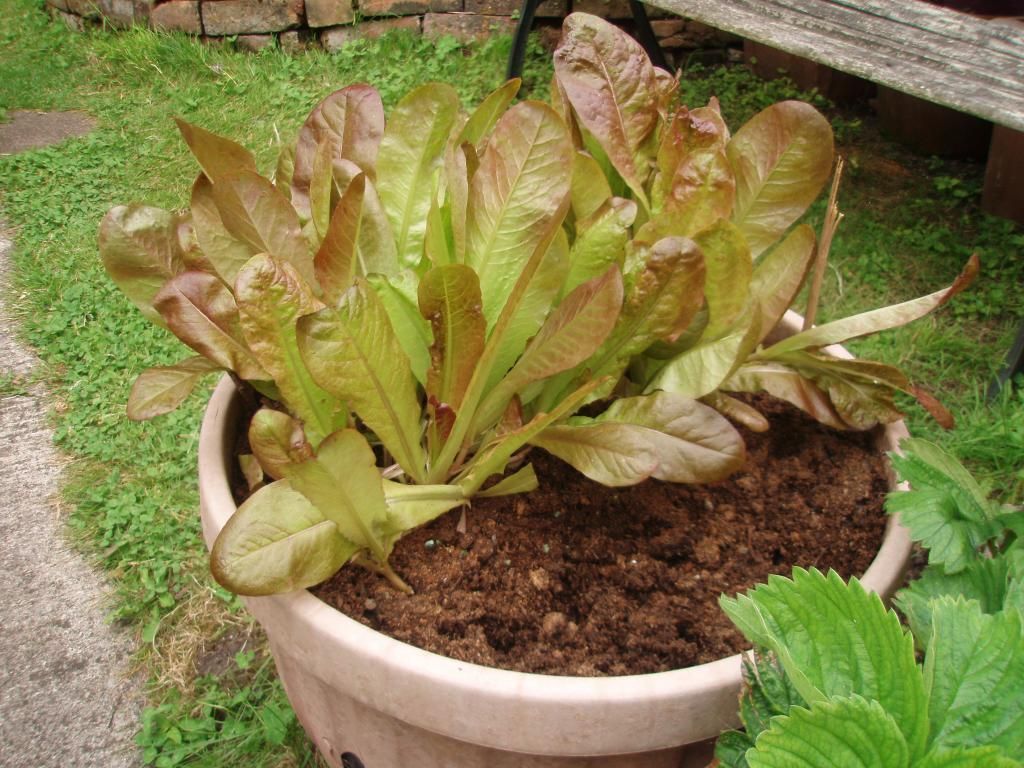
Romaine lettuce photo Romainelettue.jpg

Romaine lettuce


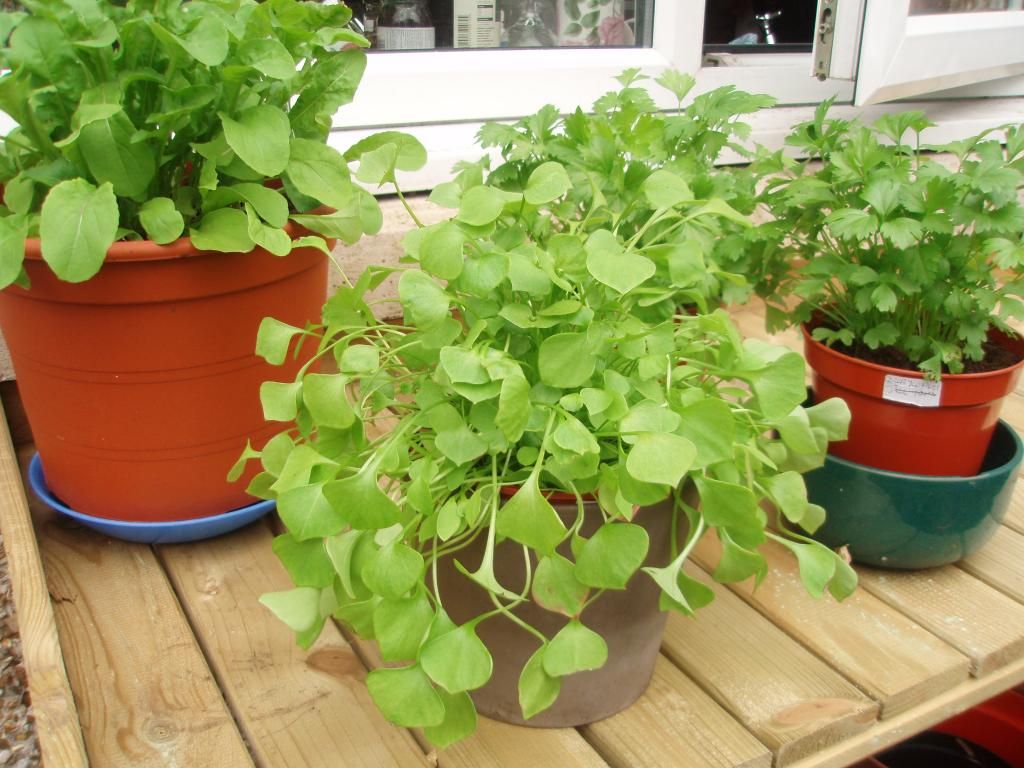
Purslane, rocket & cutting celery photo Purslanerocketampcuttingcelery.jpg

Purslane, rocket & cutting celery for salads


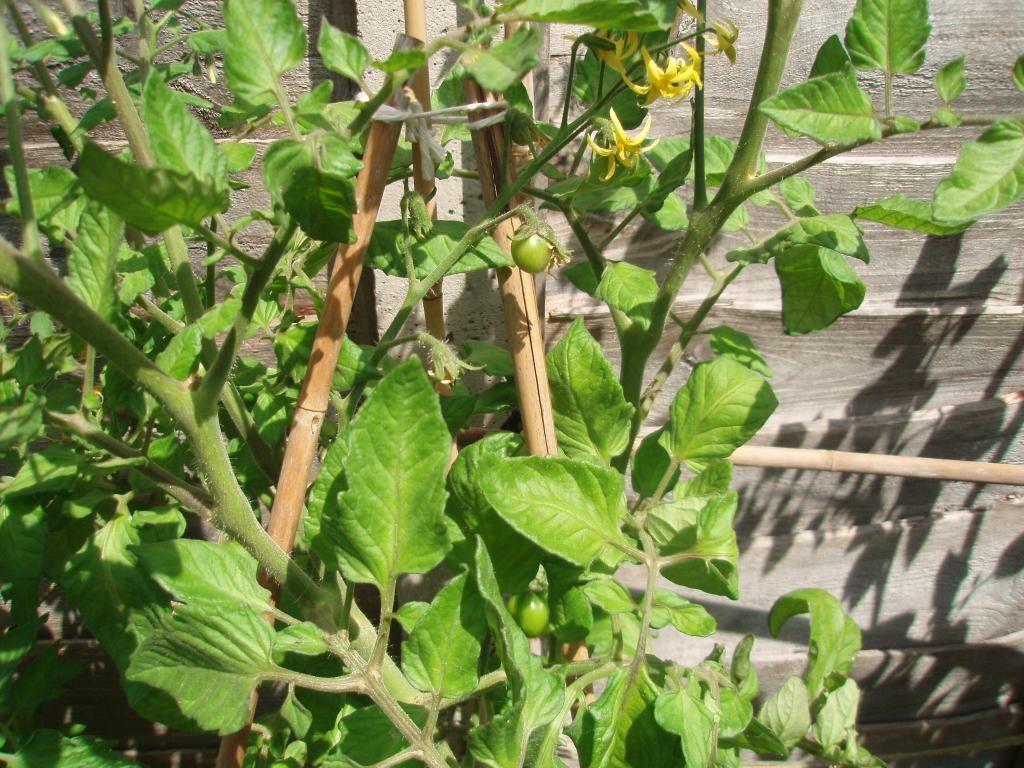
Tomatoes photo Toms.jpg

Tomatoes


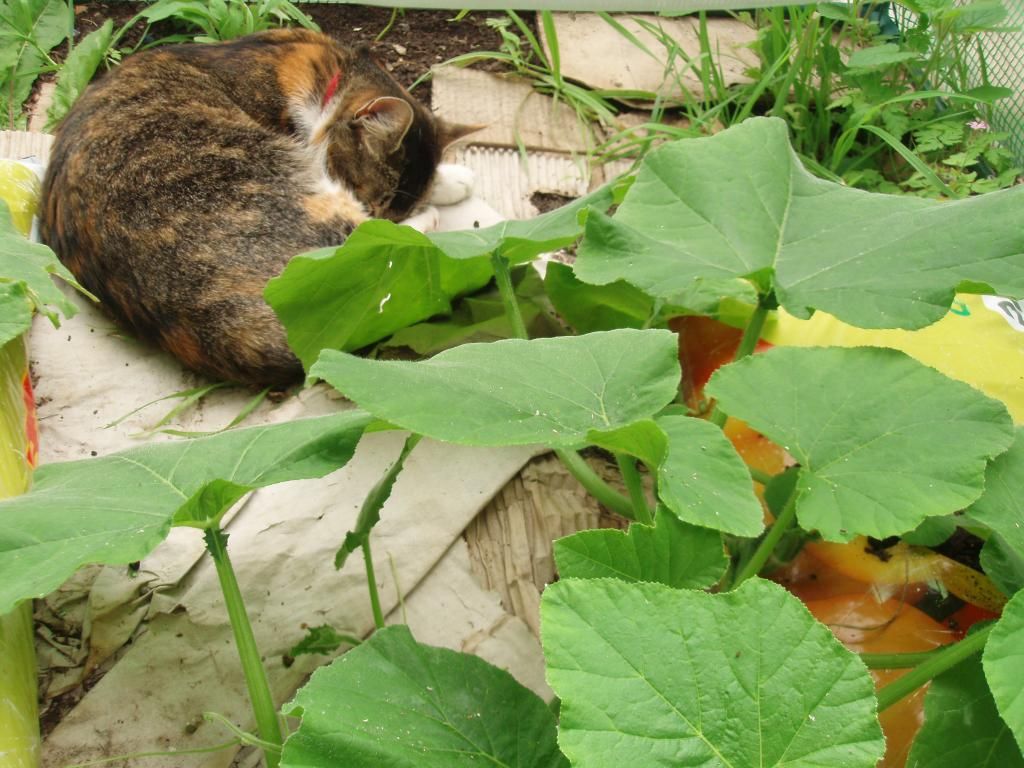
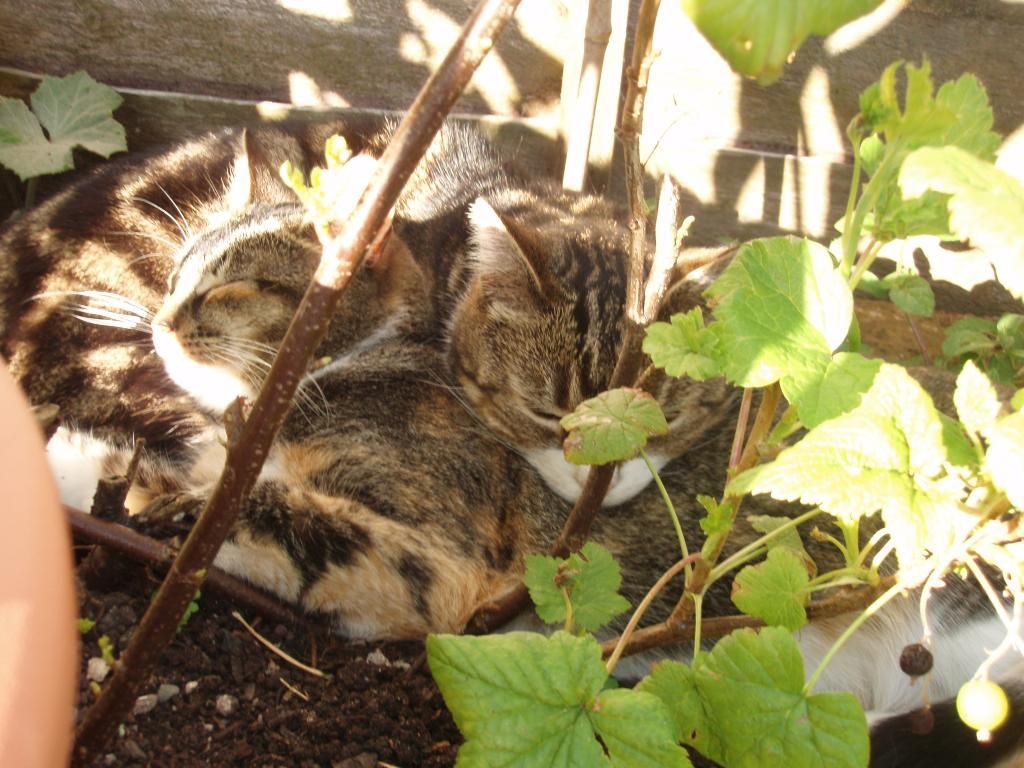
Cats under b.currants photo Catsbcurrants.jpg

Cats snuggling under the blackcurrants


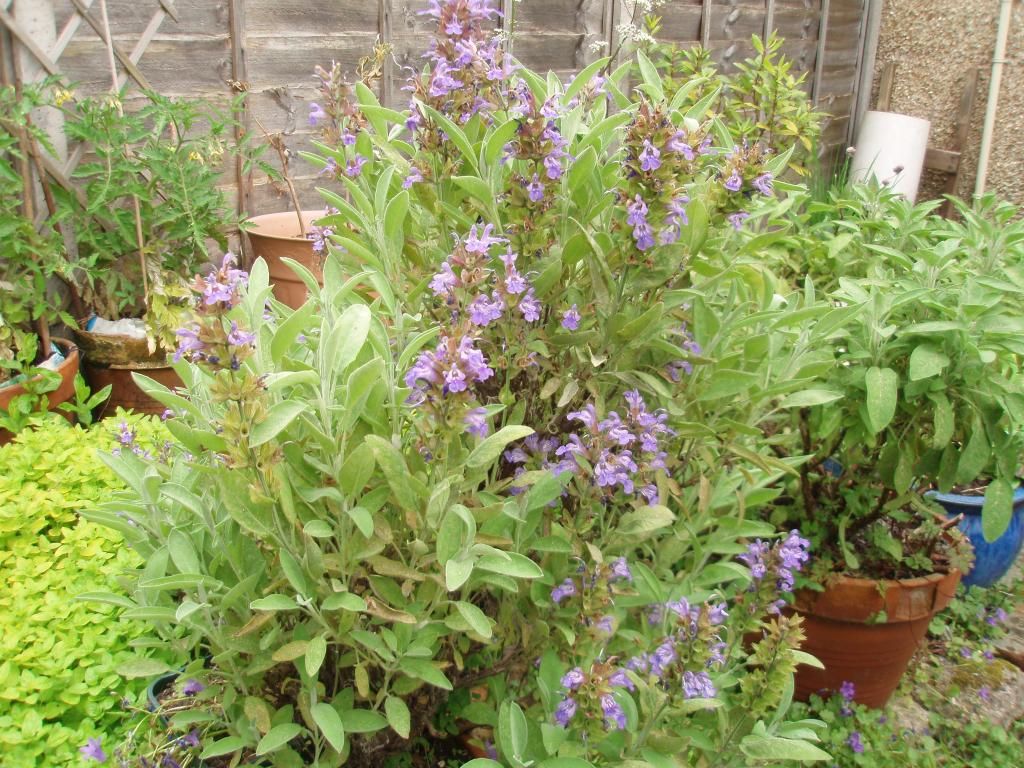
I have many herbs, for cooking, healing, and for feeding the bees. The queen of all herbs in my garden is sage, and the bees love the flowers:

Sage photo Sage.jpg

Sage


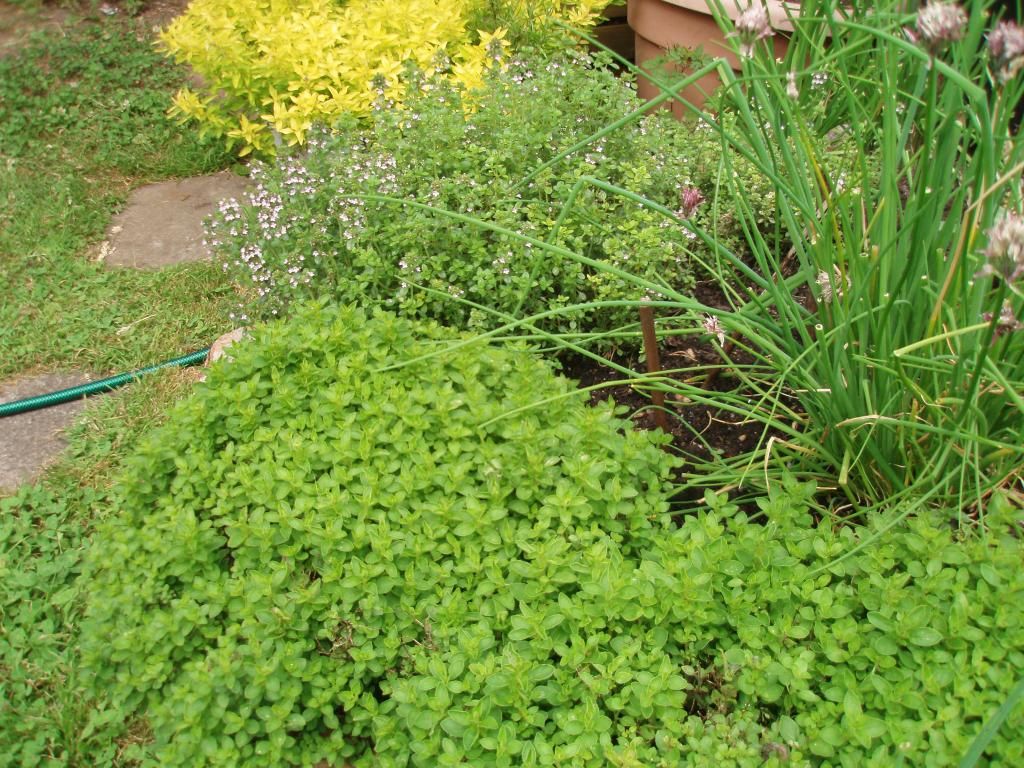
Thyme, chives & oregano photo Thymeoreganoampchives.jpg

Thyme, chives & oregano


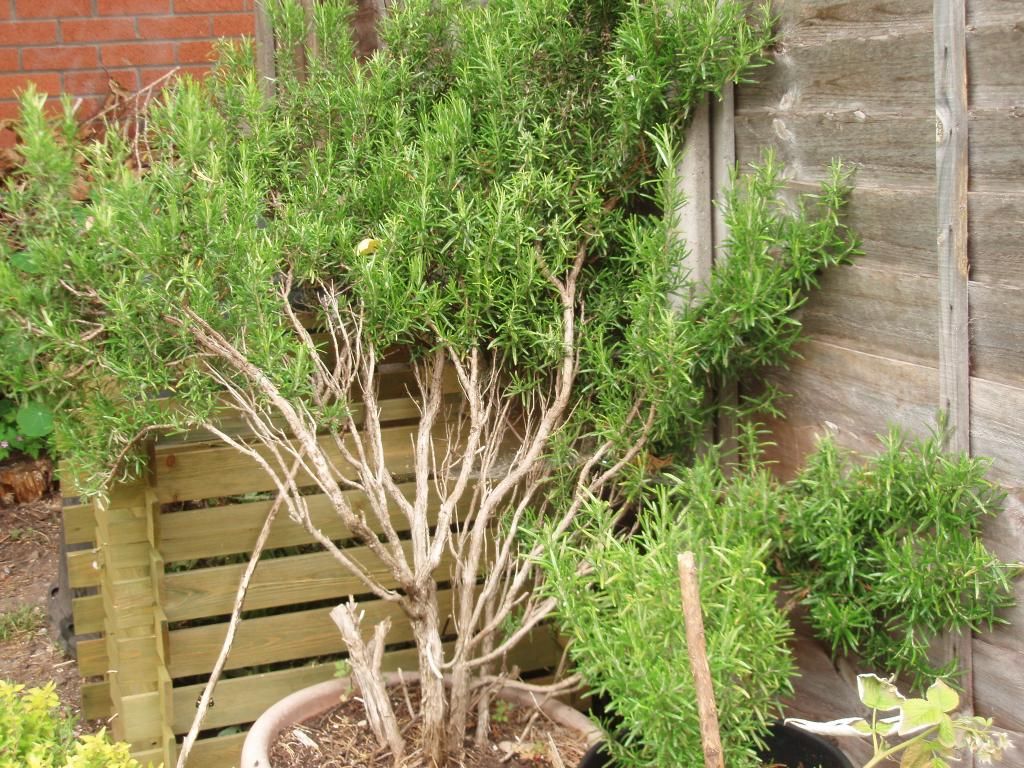
Rosemary photo Rosemary.jpg

Rosemary


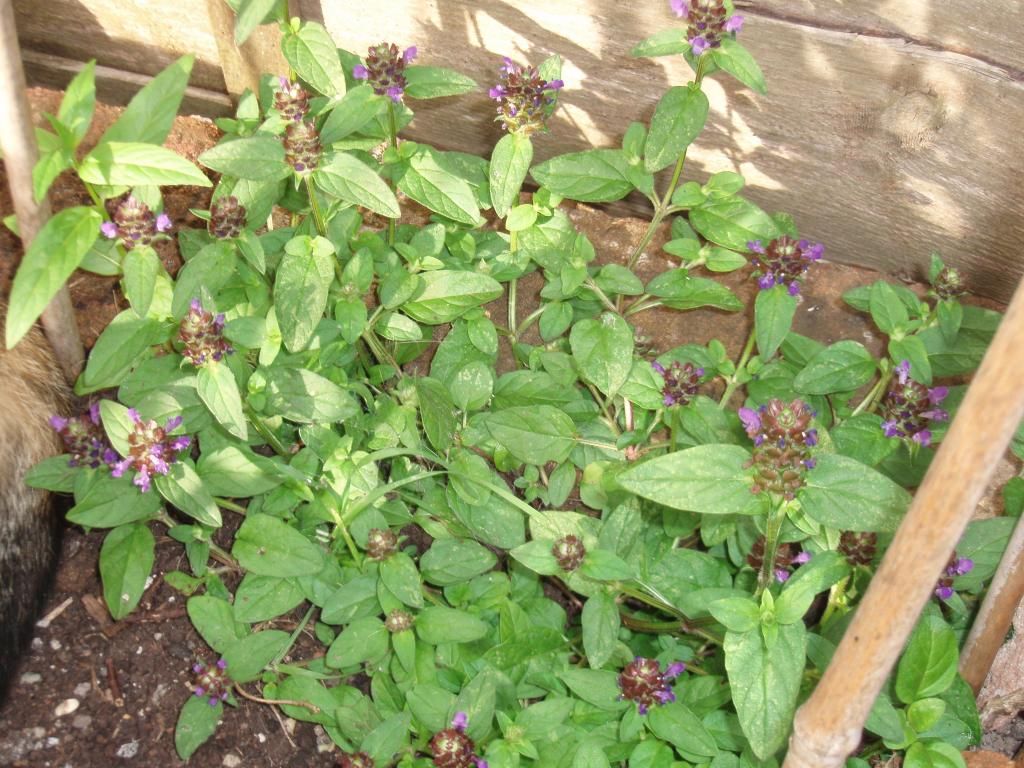
Self heal photo Selfheal2.jpg

Selfheal


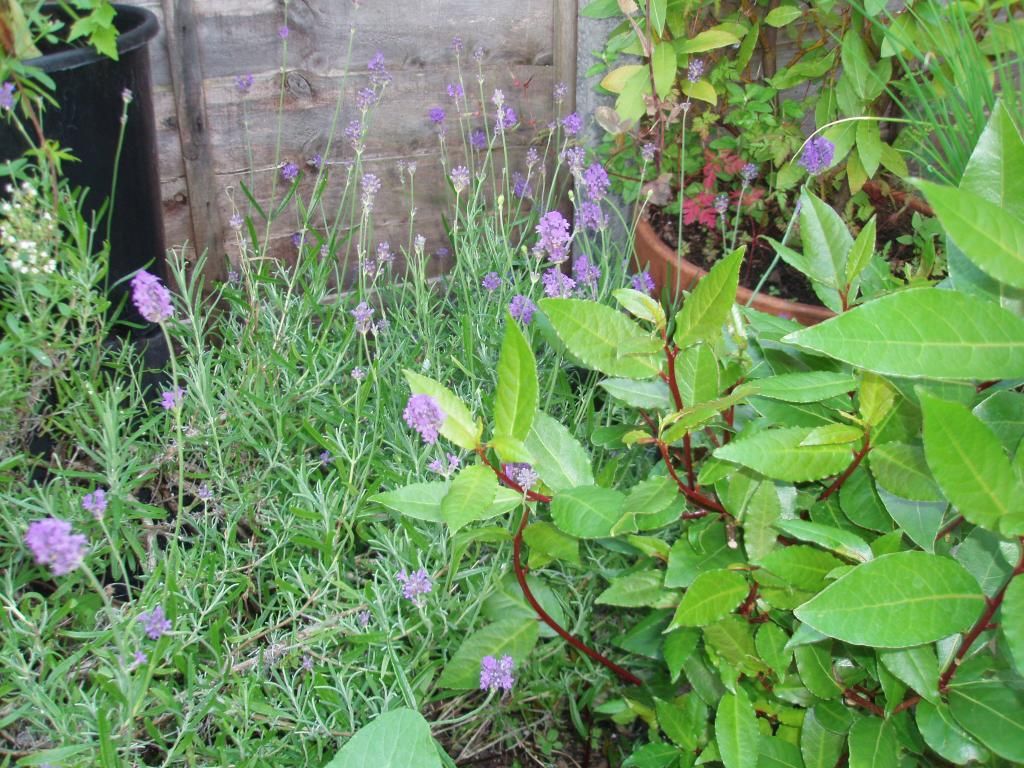
Lavender & bay photo Baylavender.jpg

Lavender & bay


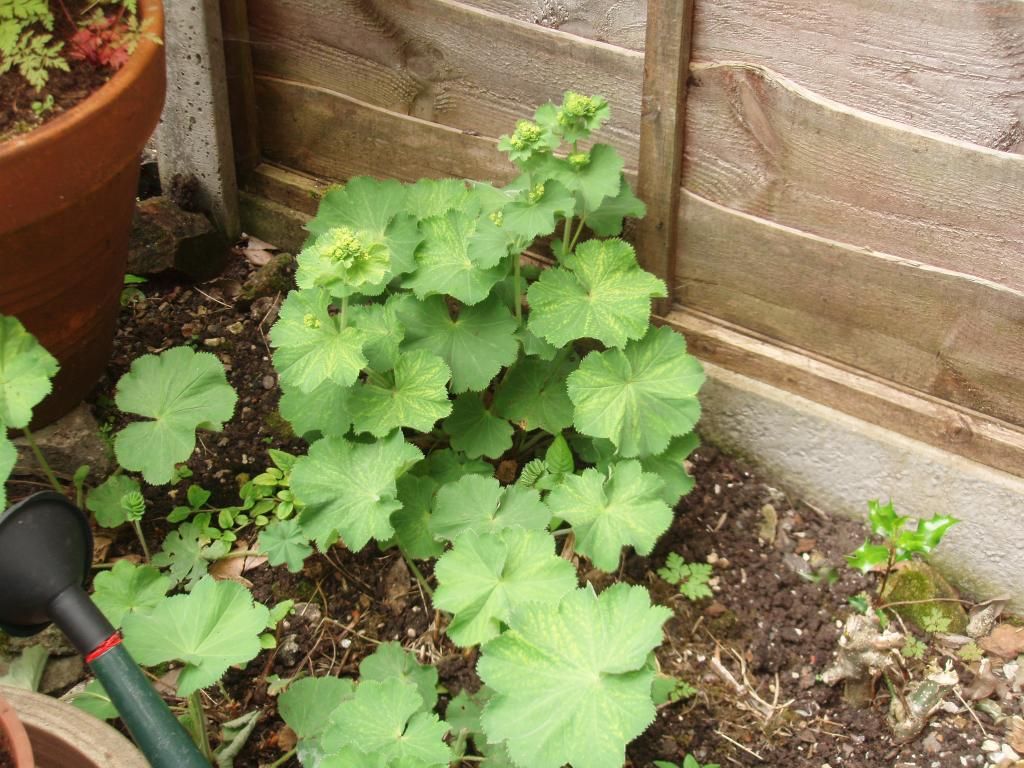
Lady's mantle photo Ladysmantle.jpg

Lady's mantle


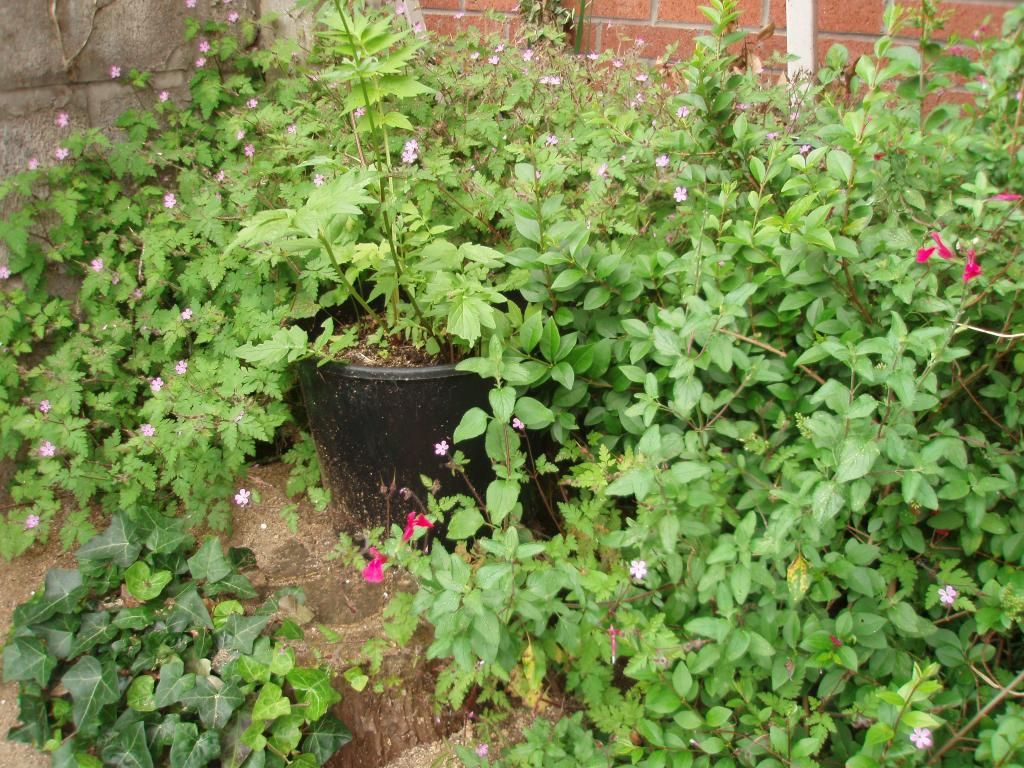
Herb Robert, valerian & blackcurrant sage photo HerbRobertvalerianbcurrantsage.jpg

Herb Robert, valerian & blackcurrant sage


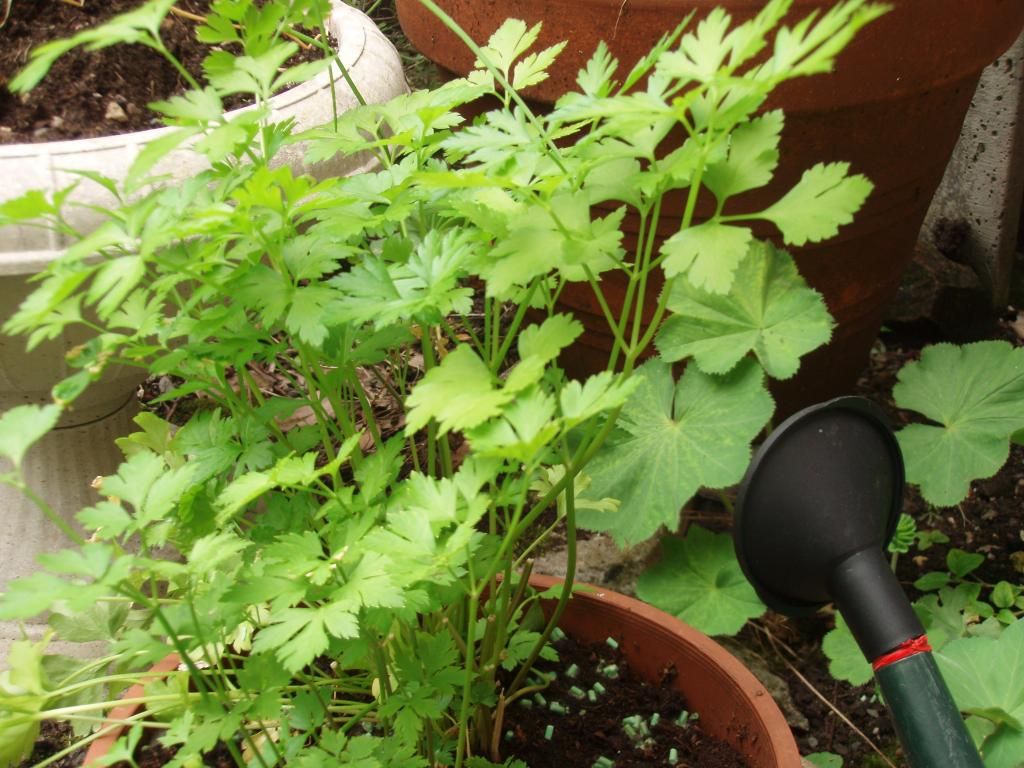
Flat leafed parsley photo Flat-leafedparsley.jpg

Flat leafed parsley


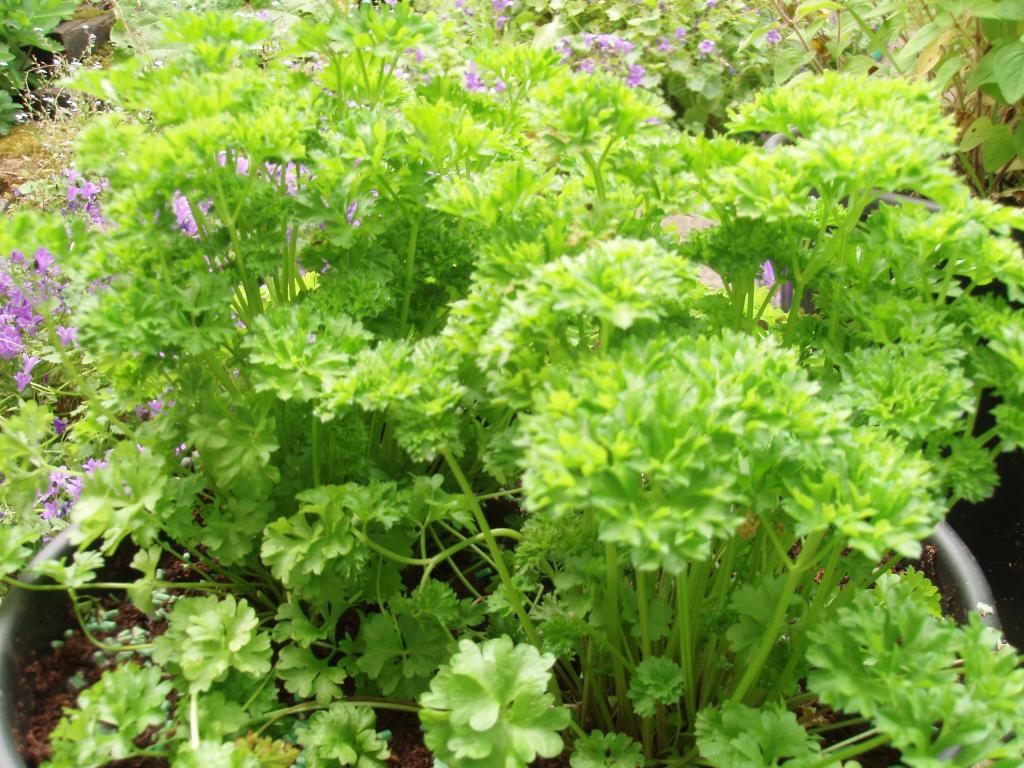
Curly parsley photo Curlyparsely.jpg

Curly parsley


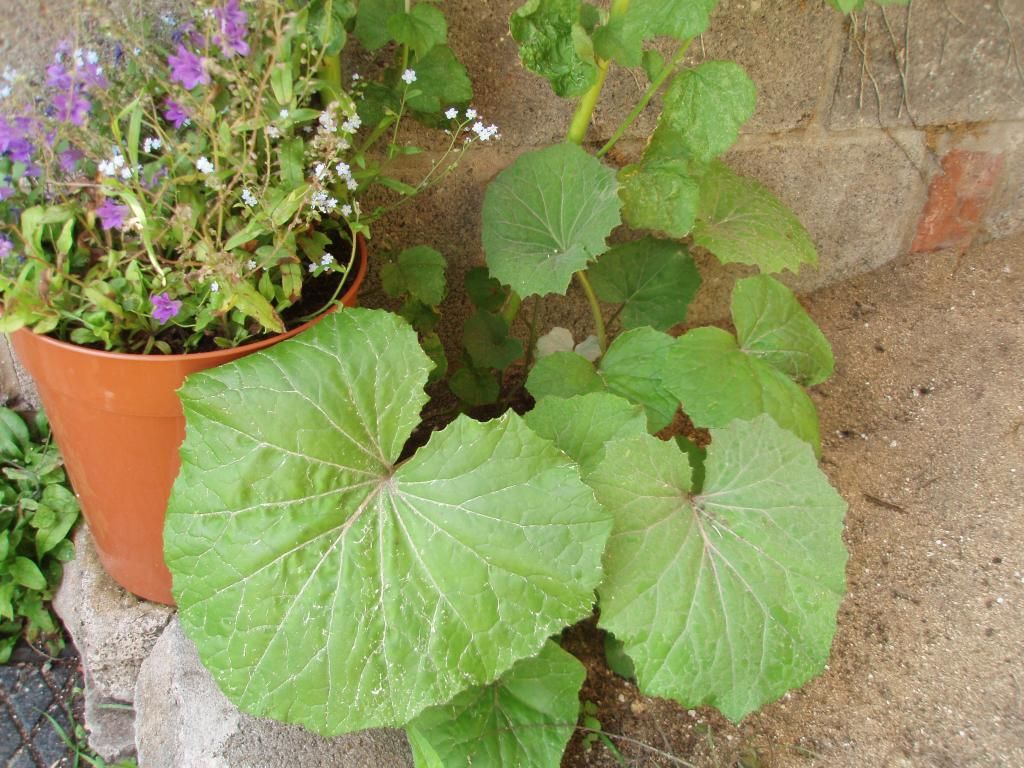
Coltsfoot photo Coltsfoot.jpg

Coltsfoot. (The pot contains campanula & forget-me-nots)


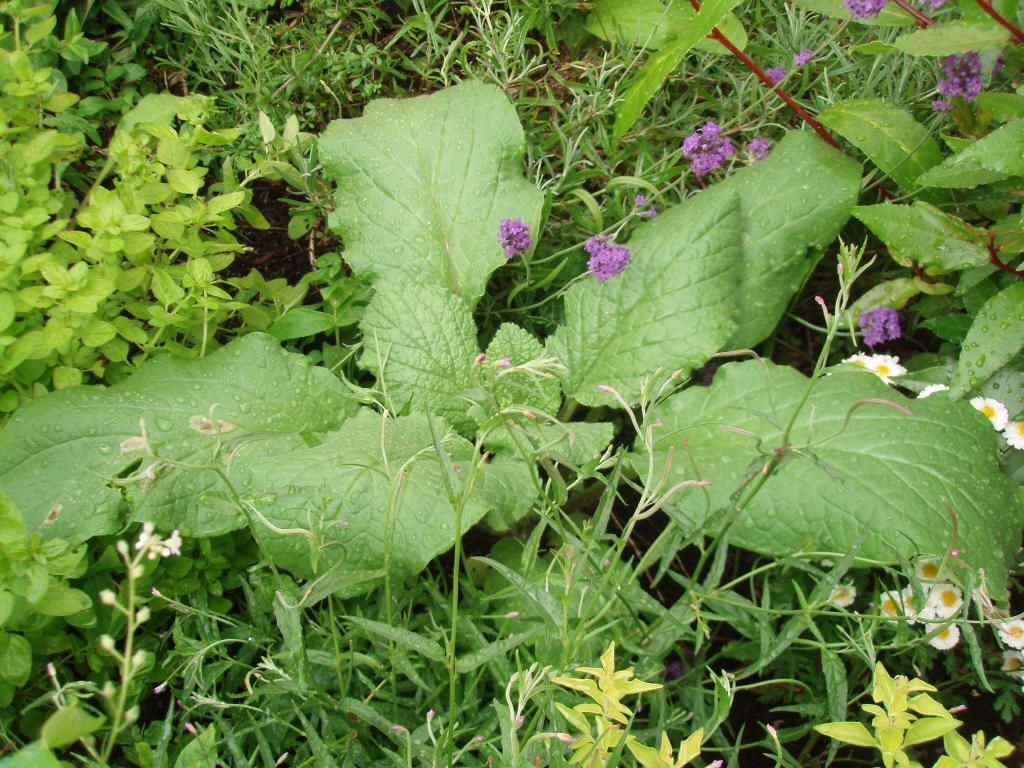
Borage photo Borage.jpg

Borage


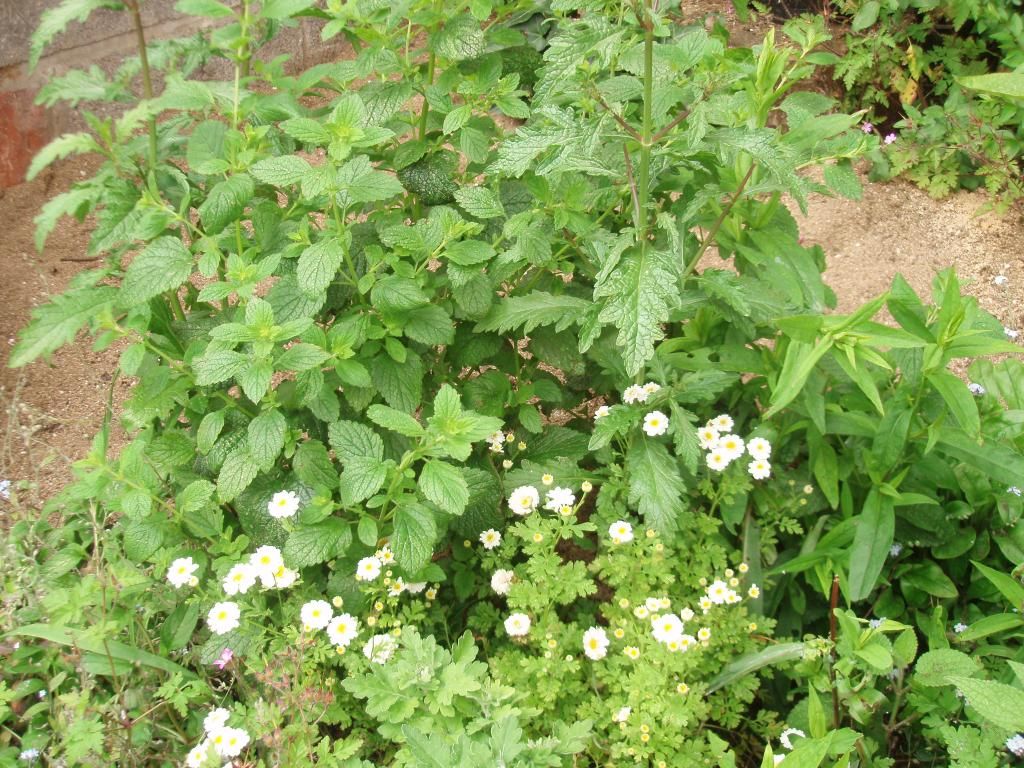
Feverfew, lemon balm & vervain photo FeverfewLemonbalmampvervain.jpg

Feverfew, lemon balm & vervain


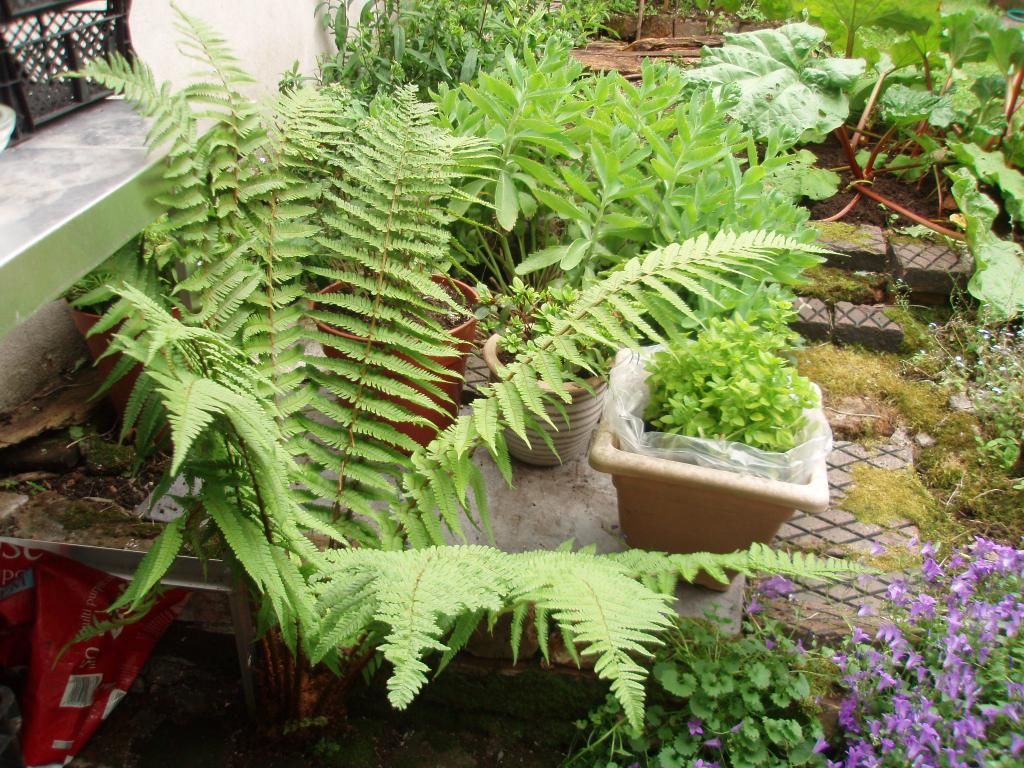
This lovely fern has grown in this dark, damp corner of its own accord. This is my feng shui health corner, so I take it as a good sign. But look back there at the rhubarb - it is spindly, which probably means it needs to be divided:


Fern & rhubarb photo Fernrhubarb.jpg


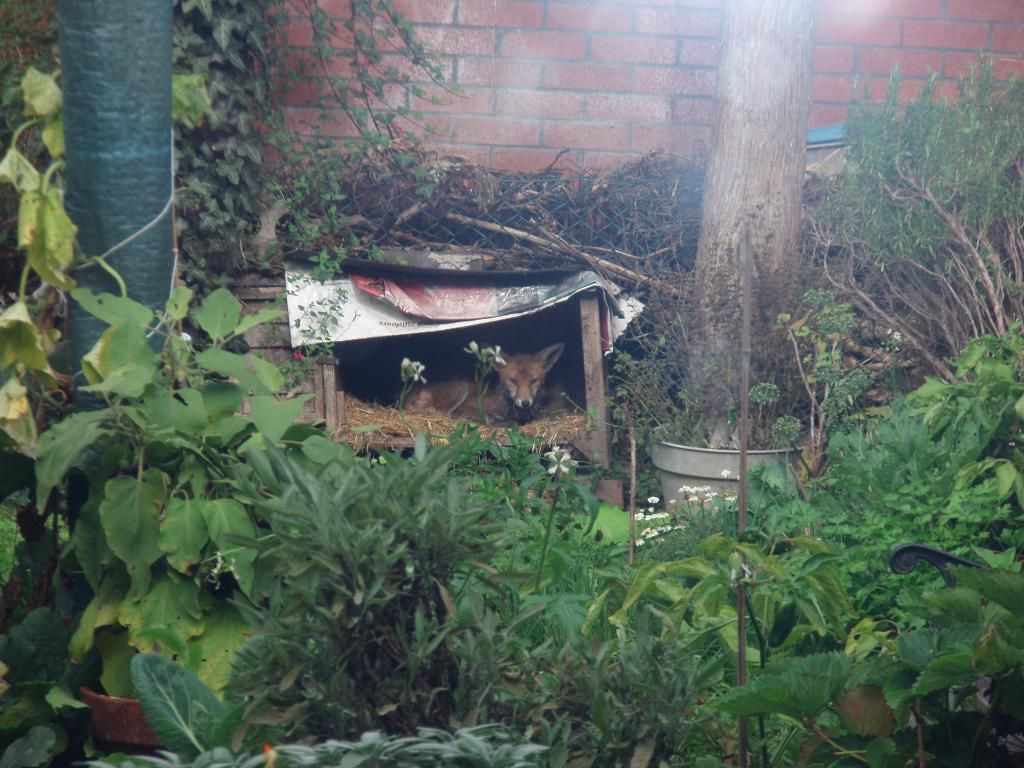
Always leave a wild bit at the bottom of the garden, so the fairies and foxes can visit you ;)

Fox photo Fox.jpg